
When it comes to redefining your space, choosing between cement-look paint or plaster is a crucial decision. Each option offers its own unique style and practical benefits that can completely transform the look and feel of any interior or exterior setting.

Concrete Paint
Imagine giving your walls a sleek, contemporary makeover with just a brushstroke. Lime paint achieves this by emulating the stark, industrial vibe of concrete while simplifying the process like traditional painting techniques. This innovative paint integrates fine particles that subtly reflect light, offering an authentic cement-like texture effortlessly and swiftly.



Plaster Finishes
On the other hand, textured finishes exude timeless elegance with their rich textures and depth variations. From silky smooth lime plasters to textured stucco surfaces, these materials do more than please the eye—they harmonize with your structure’s natural dynamics. Applying plaster is akin to sculpting art on your walls; it demands meticulous craftsmanship and patience but delivers a surface brimming with personality.


Key Distinctions
- Application Technique: Lime paints are user-friendly for DIY lovers as they apply similarly to standard wall paints using rollers or brushes—making them highly accessible for personal projects at home. In contrast, plastering requires more advanced tools such as trowels and hawks and typically needs professional expertise.
- Texture & Depth: While both options offer textured looks, plasters achieve a three-dimensional richness that paints simply cannot match.
- Durability & Maintenance: Generally speaking, plasters boast superior durability over time compared to painted surfaces which may need occasional retouches due to wear like chipping or fading.
- Cost Considerations: The upfront cost of applying plaster tends to be higher than that of using paint mainly due to labor costs; however, the long-term durability often compensates for this initial investment.
Understanding these differences will empower you to select not only what visually appeals most but also what functions best within your specific environment—whether it’s for residential charm or commercial robustness—guaranteeing enduring contentment from every perspective.
Selecting the Ideal Finish for Your Design Endeavor
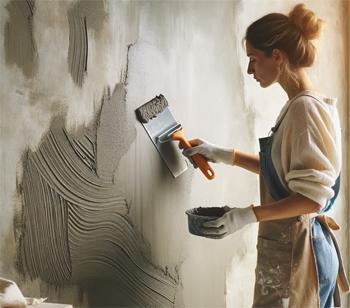
Embarking on a design project is an adventure in creativity and choice, where selecting the perfect finish can elevate an ordinary area into a breathtaking visual statement.
Whether you’re drawn to the industrial allure of concrete paint or the timeless grace of lime plaster, understanding their unique benefits will guide your decision-making process.
- Visual Impact: Cement paint delivers a sleek, contemporary flair that emulates authentic concrete with minimal effort and expense. It’s ideal for crafting an industrial atmosphere without the bulk and complexity associated with real concrete. Conversely, plaster coatings offer versatile elegance that ranges from silky smooth to richly textured, enhancing any room with its classic appeal.
- Suitability for Environment: Before deciding on a finish, consider its application environment. In areas prone to high moisture like bathrooms or kitchens, plasters excel in durability and mold resistance compared to many paints unless they are specifically formulated for such conditions.
- Ease of Application: While plastering demands skilled craftsmanship and specific techniques—often requiring professional installation—paint is more user-friendly and can be successfully applied by those with basic painting skills.
- Time Efficiency: If your project timeline is tight, note that paint generally dries quicker than textured finishes which may need multiple applications over several days.
- Cost Effectiveness: Typically, initial costs for applying plasters are higher due to material expenses and potentially increased labor costs if employing expert artisans.
Tailoring the finish to meet your project’s needs involves defining your desired atmosphere, evaluating longevity and maintenance demands, and harmonizing with existing decor. By meticulously considering these factors aligned with your envisioned outcome—whether it’s transforming a home or commercial space—you’ll not only achieve satisfaction but also experience joy as you witness your vision unfold using either of these two dynamic materials!
Preparing for Your Purchase: Essential Insights
Evaluating Cost Implications: Concrete-Look Paint vs. Plaster Finishes
- Initial Costs: Typically, opting for paint is more wallet-friendly at the outset than choosing traditional plaster. This cost efficiency stems from the simpler materials and less complex application techniques required for painting compared to the intricate plastering process which often necessitates skilled craftsmanship.
- Long-Term Value: Although plaster may present a steeper initial expense, its long-term durability can render it a more cost-effective solution in the grand scheme of things. Known for their formidable resistance to wear and tear, plastered surfaces outlast many painted counterparts which might soon call for touch-ups or complete redoing.
Durability and Maintenance Demands of Each Finish
- Endurance: If enduring quality tops your list of priorities, then delving deep into the lifespan of these materials is essential. Celebrated for its robustness, plaster can stand strong against decades if cared properly—thanks to its natural resilience against environmental challenges like moisture shifts and temperature variations.
- Upkeep Requirements: While cement paints captivate with their aesthetic allure requiring minimal maintenance efforts; they are somewhat vulnerable to impacts or abrasions compared to plasters’ stalwart nature. A gentle cleaning routine can maintain their pristine appearance though vigorous scrubbing might damage their facade.
- Aesthetic Preservation: As years roll by, each finish will age uniquely depending on exposure elements such as sunlight intensity or ambient moisture—plaster typically matures beautifully gaining a cherished patina while painted surfaces could diminish in vibrancy or start peeling thus needing occasional refurbishments.
Arming yourself with these critical financial insights along with practical knowledge about longevity and care will steer you towards an enlightened selection that not only meets your immediate project requirements but also satisfies long-term expectations from these exquisite wall finishing choices.
Preparing Your Space for a Stunning Transformation
1. Surface Preparation
- Prioritize Cleanliness: Kickstart the process by rigorously cleansing the walls of all dust, grease, and debris. Whether you opt for lime paints or plasters, starting with a pristine surface is crucial to avoid any unsightly blemishes.
- Ensure Smoothness: Inspect the wall meticulously for any cracks or uneven spots. Utilize a high-quality filler to mend these imperfections seamlessly. A uniformly smooth surface guarantees that both paint and plaster will adhere flawlessly.
2. Priming Your Canvas
- For Concrete Paint: The application of a primer is indispensable; it not only evens out color distribution but significantly bolsters the durability of your painted surfaces.
- For Plaster: While sometimes optional, using a bonding agent can prove invaluable, particularly when applying over non-porous surfaces or pre-existing painted layers.
3. Organizing Your Tools
Assemble all necessary tools such as brushes and rollers (for painting), along with trowels and spatulas (for plastering). Ensure each tool is clean and in prime condition to facilitate professional-level outcomes.
4. Safety First
- Equip yourself with protective gear including gloves, masks (crucial if sanding), and eye protection.
- Maintain proper ventilation throughout your workspace to prevent inhaling potentially harmful fumes from paints or dust particles from plasters.
By adhering strictly to these preparatory measures, you pave the way toward achieving exquisite wall finishes that effortlessly emulate natural materials like cement or stone through either modern cement paints or traditional plaster techniques! Remember: exceptional results start well before you dip your brush into paint—they begin with diligent preparation!
Post-Purchase: Maintenance and Care
After elevating your space with the robust sophistication of concrete effect paint or the richly textured charm of plaster, it’s crucial to preserve their immaculate appearance. Here’s your guide to ensuring these surfaces maintain their distinctive allure over time.
Maintaining Your Chosen Finish
- Routine Cleaning: Both concrete-looking paints and plaster coatings benefit greatly from regular cleaning. For painted walls, a soft cloth dampened with water is typically all you need to prevent dirt buildup. Plaster may require gentle dusting or vacuuming with a soft brush attachment to keep their detailed textures pristine.
- Gentle Cleaning Agents: Keep it simple when cleaning these surfaces. Mild detergents are sufficient; harsh chemicals can degrade concrete paint and plaster, diminishing their inherent beauty.
- Prompt Spill Response: Address spills immediately—blotting gently rather than scrubbing—to avoid setting stains deeper into the materials.
- Conduct Patch Tests for Repairs: Before undertaking any touch-ups or repairs on either finish type, always perform a small patch test in an inconspicuous area first to ensure compatibility and avoid noticeable differences in texture or color.
- Seek Professional Advice for Major Issues: For significant damage or complex wear-and-tear problems that surpass basic home repair skills, seek advice from professionals experienced in working with these materials to help maintain the integrity of your chosen finish.
Troubleshooting Common Problems
- Chipping Paint: This might chip if applied too thinly or without adequate primers. Solution: Reapply matching paint using techniques akin to those used initially—feathering out edges for a flawless integration.
- Cracking Plaster: Changes in temperature can lead plasters to crack as they expand and contract. Solution: Fill cracks with suitable caulk designed for plasters before delicately reapplying color-matched plaster as necessary.
- Discoloration: Extended exposure to sunlight can cause pigments in both types of finishes to fade unevenly. Solution: Apply UV-resistant sealants where feasible or refresh affected areas periodically following manufacturer guidelines concerning pigment stability within specific products initially used during application processes.
The Bottom Line:
In conclusion, whether you choose concrete effect paint or plaster finishes, both options offer distinct advantages that can significantly enhance the aesthetic and functional qualities of your space. Concrete effect paints provide a sleek, modern look with an easy application process, making them ideal for quick transformations.
Plaster finishes, on the other hand, deliver timeless elegance with their rich textures and depth, requiring more skill and craftsmanship but rewarding with superior durability and a unique character that evolves beautifully over time. By considering factors such as application technique, texture, durability, maintenance, and cost, you can make an informed decision that aligns with your design vision and practical needs, ensuring a lasting impact on your interior or exterior environments.