
If you’re looking to add a rugged, industrial touch to your home or office, concrete blocks offer an excellent solution. These panels mimic the look of real cinder blocks without the heavy lifting or extensive installation process.
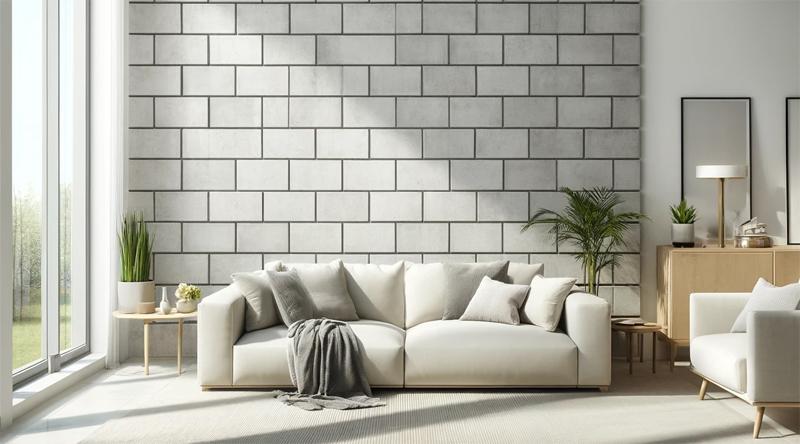
This guide will delve into the key features, benefits, installation steps and costs associated with these unique wall coverings, ensuring you make the best decision for your space.
Key Features to Look for:
When choosing wall panelling or decals, consider these essential features:
- Material Quality: High-density polyurethane or similar durable materials provide a realistic texture and appearance. Ensure the panels are weather-resistant if used outdoors.
- Realism: Look for panels with detailed, authentic-looking textures and color variations. High-quality panels should be indistinguishable from real cement blocks at a glance.
- Ease of Installation: Opt for panels that are lightweight and easy to cut, ensuring a straightforward installation process. Panels with interlocking edges can help achieve a seamless look.
- Fire Resistance: For safety, choose panels that are fire-rated and meet local building codes.
- Insulation: Some panels offer added insulation, which can be beneficial for energy efficiency and soundproofing.
- Cost: While quality is paramount, ensure the panels fit within your budget. Compare prices and consider long-term durability and maintenance.
Pros and Cons of Cinder Block Panels vs. Cement Block Wallpaper
Both wall panels and wallpaper have their merits, but each serves different needs:
Concrete Block Panels:
- Pros:
- Realistic texture and depth, offering a more authentic look and feel.
- Durable and long-lasting, resistant to wear and tear.
- Can provide additional insulation and soundproofing.
- Cons:
- Higher initial cost compared to wallpaper.
- Requires more effort to install, although still easier than real cement.

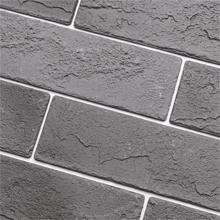
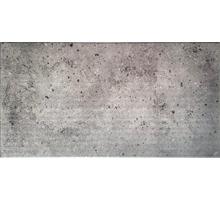
Cement Block Wallpaper:
- Pros:
- Easier and faster to install, ideal for quick makeovers.
- More affordable, making it a budget-friendly option.
- Simple to remove or replace, offering flexibility in design changes.
- Cons:
- Less realistic, lacks the 3D texture of actual blocks.
- More prone to damage and wear over time.
- Offers no insulation or soundproofing benefits.

Step-by-Step Installation Guide:
Installing panels makes this DIY facade ultra simple. Follow these steps for a professional finish:

- Preparation:
- Measure the area to determine the number of pieces needed.
- Gather tools: tape measure, level, adhesive, screws, saw and finishing materials.
- Clean and prep the wall surface, ensuring it is dry and free of debris.
- Planning:
- Lay out the sections on the floor to plan the arrangement and ensure a seamless look.
- Mark the wall for board placement, starting from the bottom and working upwards.
- Cutting:
- Use a saw to cut sections to fit around corners, windows and doors.
- Ensure all cuts are precise for a professional appearance.
- Installation:
- Apply construction adhesive to the back of each wall board.
- Press the panel onto the wall, starting at the bottom corner.
- Use screws or nails for added stability, ensuring they are hidden in the panel grooves.
- Repeat the process, working your way up and ensuring stone sections fit snugly together.
- Finishing:
- Fill any gaps with matching caulk or filler.
- Touch up with paint if necessary to blend seams.
- Clean the surface to remove any installation debris.
Cost Considerations
Here’s a price breakdown by price and what to expect:
- Basic Panels: $5 – $10 per square foot. These are usually thinner and less detailed.
- Mid-Range Panels: $10 – $20 per square foot. These offer a good balance of realism and durability.
- High-End Panels: $20 – $40 per square foot. These premium options provide the most authentic look and highest durability.

Final Thoughts:
Wall paneling offers a stylish, industrial look without the hassle of masonry. Understand key features, pros and cons and follow a detailed guide to transform your space with ease and confidence. Enjoy the durability, style and practicality that faux cement brings to your design project.