
Concrete has always been revered for its robustness and industrial charm. However, traditional concrete finishes can be both expensive and time-intensive to implement.

This is where fake cement panels step in, offering a cost-effective solution that replicates the authentic look of concrete while presenting numerous advantages in terms of affordability, ease of installation and versatility.

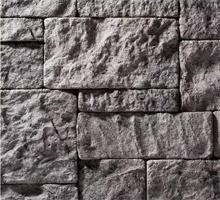
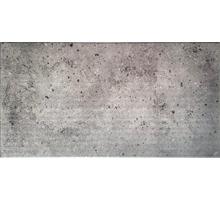
Visual Appeal: The Aesthetics
In terms of aesthetics, both options possess their own allure. Real concrete finishes boast an innate authenticity with their raw texture and natural color variations, ideal for achieving a contemporary or industrial ambiance in any interior or exterior setting.
Conversely, fabricated panels offer unparalleled design flexibility. Available in a myriad of styles, colors, textures and patterns that can mimic not just conventional poured-in-place or precast concrete but also materials like wood or stone. Whether aiming for a sleek modern finish or rustic charm, these panels deliver on style without compromising quality.
Durability & Maintenance: Which Endures Longer?
Both real cement-based finishes and faux wall panels are renowned for their durability; however, there are nuances worth considering.
- Real Concrete Finishes: With proper installation and maintenance (including sealing), genuine cement-based finishes can endure decades without significant wear.
- Faux Concrete Wall Panels: Crafted from top-notch composite materials such as fiberglass reinforced polymers (FRP), these panels offer exceptional strength while being crack-resistant with minimal upkeep requirements ensuring long-lasting visual appeal.
Installation Process: Simplicity & Efficiency
Installing real concrete finishes is labor-intensive, requiring skilled professionals to pour and meticulously shape wet material.
In contrast, molded panels are much simpler to install. Their lightweight design is easy to handle for both DIY enthusiasts and professionals. With interlocking systems or adhesive backing, you can achieve professional results in significantly less time compared to traditional methods.
Cost Consideration: Initial & Long-term Expenses
Cost plays a pivotal role when deciding between these two alternatives.
- Authentic Concrete Finishes: While material costs may vary based on location/project size; initial expenses tend to be higher due to labor costs associated with skilled tradespeople.
- Faux Concrete: Offering an affordable alternative without compromising quality/aesthetics alongside simplified installation leading potential cost savings by reducing labor requirements over time.
Environmental Impact: Sustainability Matters
Sustainability holds increasing significance within construction projects today:
- Real Cement-Based Finishes: Traditional cement production carries substantial environmental impact owing high carbon emissions during manufacturing processes.
- Cement-Look Wall Plates: Manufactured from recycled materials like FRP composites; eco-friendly alternatives contribute positively towards sustainable building practices by curbing waste generation whilst maintaining an authentic appearance.
By opting for faux walls instead of solid cast ones, you’re making an environmentally conscious choice that minimizes ecological footprint sans sacrificing style/quality.
Making the Right Choice: Factors to Consider
Aesthetic Preferences
Your personal style plays a significant role in your decision-making process. Synthetic panels offer a wide range of design options, allowing you to create textures and finishes that closely resemble authentic concrete. On the other hand, if you prefer the raw and natural appeal of genuine concrete, then real concrete finishes might be more suitable for your space.
Durability Requirements
Consider the durability required for your project. Real concrete finishes provide exceptional strength and longevity, withstanding heavy use and harsh weather without losing integrity or appeal. Artificial cement pieces are durable but may not resist impact or extreme temperatures as well as real concrete.
Installation Ease
Evaluate how easy it is to install each option. Panels typically come in precast sections that can be easily mounted onto existing walls using adhesive or screws, making installation quick and hassle-free compared to pouring real concrete finishes which require professional expertise and time-consuming processes like formwork construction.
Cost Considerations
Consider both initial and long-term costs. Faux concrete is more cost-effective upfront due to easy installation but may need occasional maintenance. Real concrete finishes have higher initial costs due to labor-intensive installation but typically require less maintenance over time.
Environmental Impact
If sustainability is important, consider the environmental impact. The imitation wall sheets are often made from recycled materials, are eco-friendly and reusable. Real concrete finishes, though durable, have a higher carbon footprint due to energy-intensive production.
Time Constraints
Think about your project timeline when choosing between these options. Panels offer quicker installation times compared to real concrete finishes which require curing and drying periods before they can be fully utilized.
Flexibility
Consider design flexibility. Faux concrete panels offer versatile color choices, textures and patterns for easy customization. Real concrete finishes have limited options but provide an unmatched authentic look.
By considering aesthetic preferences, durability, maintenance, installation ease, cost and environmental impact, you can decide whether faux or real concrete works best for your project.